The Importance of Hydraulic CNC Press Brake Machine in Modern Manufacturing
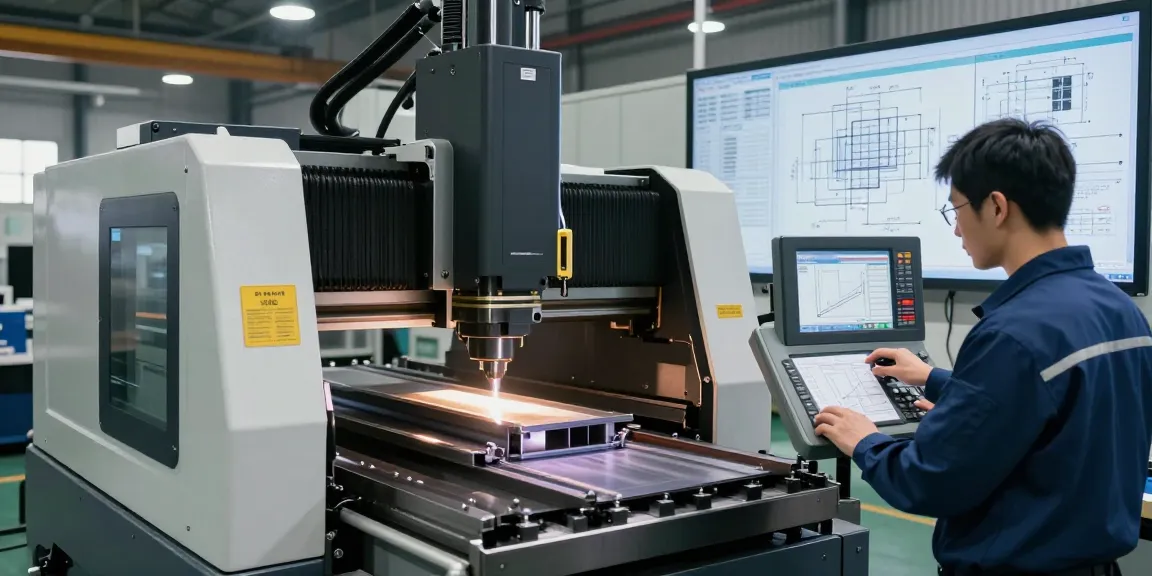
The landscape of modern manufacturing is characterized by precision, efficiency, and the ability to adapt quickly to market changes. Central to these capabilities are hydraulic CNC press brake machines, which empower manufacturers to bend and shape metal sheets with remarkable accuracy and speed. These machines utilize advanced CNC technology integrated with sophisticated hydraulic systems, allowing them to handle a variety of materials and complex designs. When exploring options, hydraulic cnc press brake machine provides comprehensive insights into their functionalities and applications.
Understanding CNC Technology
Computer Numerical Control (CNC) technology is foundational in the realm of automated machinery. CNC systems control the movement of machine tools using coded instructions, optimizing the manufacturing process to achieve higher accuracy and repeatability. In hydraulic CNC press brakes, this technology orchestrates the bending process, ensuring that each bend meets specified angles and tolerances.
Typically, CNC control involves several axes; for instance, the WEK series hydraulic CNC press brake features a standard configuration of 4+1 axes (Y1, Y2, X, R, and V) and can be expanded up to 8+1 axes for more complex operations. This level of control permits manufacturers to enhance production efficiency and output quality significantly.
Benefits of Hydraulic Systems
Hydraulic systems are widely recognized for their ability to generate powerful forces while maintaining precise control over motion. In hydraulic press brakes, this mechanism is particularly advantageous as it allows for smooth and controlled bending of metal sheets. The electro-hydraulic proportional valves adjust the Y1 and Y2 axes’ positions accurately, with a feedback mechanism that ensures a high degree of synchronization and precision.
The performance of hydraulic CNC press brakes is characterized by their load capacity and bending capabilities, which range from 63 tons to 1000 tons across different models. This range empowers manufacturers to work with diverse materials—from steel and aluminum to titanium—making these machines indispensable across various sectors.
Market Trends for Manufacturing Equipment
The demand for hydraulic CNC press brake machines is growing, driven by advancements in industrial automation and the increasing importance of precision engineering. Manufacturers are investing heavily in machinery that incorporates not just mechanical solutions but also integrated software systems that enhance operational efficiency and data management.
Moreover, the shift towards sustainable manufacturing practices has raised interest in energy-efficient models like the WSK series. These machines leverage servo motors to reduce energy consumption while maximizing bending performance, aligning with environmental considerations in production.
Key Features of Hydraulic CNC Press Brake Machines
Precision Control Systems
Precision in hydraulic CNC press brake machines is achieved through advanced control systems like the ESA-S630 CNC system. This system provides a user-friendly interface with a 10-inch color touch screen that displays all necessary bending data on a single page, allowing operators to program and monitor operations easily.
Users can choose between different programming methods, including data programming and graphic programming, which streamlines the bending process and minimizes the likelihood of errors. The capability to customize inputs and outputs also enables adaptation to various bending requirements.
Hydraulic Mechanisms and Performance
The hydraulic mechanism of CNC press brakes relies on fluid dynamics to exert force effectively. With the precision of hydraulic actuators, these machines can handle varying thicknesses and types of materials while ensuring minimal deformation during the bending process.
The mechanical table crowning feature integrated into the WEK series allows for automatic compensation of any pressure deflection during operation, ensuring consistent bending angles and straightness. This functionality is crucial in industries where precision and quality control are paramount.
Safety Enhancements in Modern Machinery
Safety is a primary concern in manufacturing environments, especially when operating heavy machinery. Modern hydraulic CNC press brakes incorporate several safety enhancements to protect operators. Features such as side protection devices, rear door locks during operation, and optional light curtain safety systems ensure a safe working environment.
Additionally, the systems are equipped with cooling devices that regulate the hydraulic oil temperature. Maintaining optimal oil temperature is vital, as it prevents performance degradation and potential safety hazards caused by overheating.
Applications of Hydraulic CNC Press Brake Machines
Industry-Specific Use Cases
Hydraulic CNC press brakes are versatile tools used across various industries, including aerospace, automotive, electronics, and general manufacturing. Their ability to create precise bends in diverse materials makes them essential for fabricating components that require exact specifications.
In aerospace, for example, hydraulic press brakes are utilized to manufacture lightweight yet robust aircraft components. In the automotive sector, they play a critical role in producing component parts that contribute to vehicle safety and performance.
Materials Suitable for Bending
These machines are capable of bending a wide range of materials, such as:
- Steel
- Aluminum
- Copper
- Titanium
Each material presents unique challenges and requirements for bending, making it crucial for manufacturers to select hydraulic CNC press brakes that can handle specified thicknesses and tolerances effectively.
Role in Automation and Robotics
The integration of automation and robotics in hydraulic press brake operations represents a significant shift in manufacturing paradigms. Automated systems can synchronize bending processes to improve production rates and reduce human error, fostering a more efficient work environment.
Moreover, the compatibility of hydraulic CNC press brakes with robotic systems enhances the manufacturing flexibility, allowing for real-time adjustments and adaptations in production lines.
Choosing the Right Hydraulic CNC Press Brake Machine
Specifications to Consider
When selecting a hydraulic CNC press brake machine, several specifications should be evaluated:
- Nominal Pressure: Determines the machine’s bending capabilities.
- Table Length: Affects the size of workpieces that can be processed.
- Distance Between Housings: Influences the maximum bending length.
- Stroke and Open Height: Impacts the bending capabilities and flexibility.
- Motor Power: Assures adequate energy supply for operations.
Comparing Models and Prices
Different models offer varying features and capabilities. For instance, the WEK series range from $20,000 to $45,000, depending on the model and specifications. Assessing your specific production needs against the features offered by each model will ensure that you choose the right machine for your operations.
Comparing different manufacturers’ offerings, warranties, and after-sales service options is also essential, as these factors can significantly impact the long-term usability and support of the machine.
Understanding After-Sales Support
Reliable after-sales support is crucial in ensuring the longevity and efficiency of hydraulic CNC press brake machines. Manufacturers like SC SHENCHONG boast over 20 years of exporting experience and provide comprehensive after-sale services, which include maintenance, training, and troubleshooting. Prompt support can enhance operational uptime and mitigate potential production losses due to machine downtime.
The Future of Hydraulic Press Brake Technology
Emerging Trends in Manufacturing
The future of hydraulic CNC press brake technology lies in continued advancements in automation, AI integration, and energy efficiency. As manufacturing demands increase, the ability to adapt to rapid changes in production requirements while maintaining efficiency and accuracy will be critical.
Emerging trends involve incorporating machine learning algorithms to improve predictive maintenance and operational efficiency, reducing costs, and enhancing production capabilities.
Integration with AI and Automation
As artificial intelligence continues to evolve, its integration with hydraulic CNC press brakes will streamline operations and decision-making processes. AI applications can monitor machine performance in real-time, suggesting adjustments or flagging anomalies before they become issues.
Automation further enhances operational efficiency, allowing machines to run autonomously with minimal human supervision. The concept of Industry 4.0 emphasizes interconnected machinery that communicates and collaborates, providing businesses with a competitive edge.
Environmental Considerations and Energy Efficiency
With growing emphasis on sustainability, hydraulic CNC press brake manufacturers are focusing on designing machines that consume less energy and utilize environmentally friendly hydraulic fluids. The adaptation of hybrid servo-driven systems, such as the WSK series, highlights this trend by reducing energy usage without compromising performance.
This commitment to energy efficiency not only aligns with global sustainability goals but also helps manufacturers reduce operational costs over time, making eco-friendly practices not just idealistic but increasingly practical.